

 Back
Back 


2026 Wine Harvest: France’s First Grapes Picked on 15 July
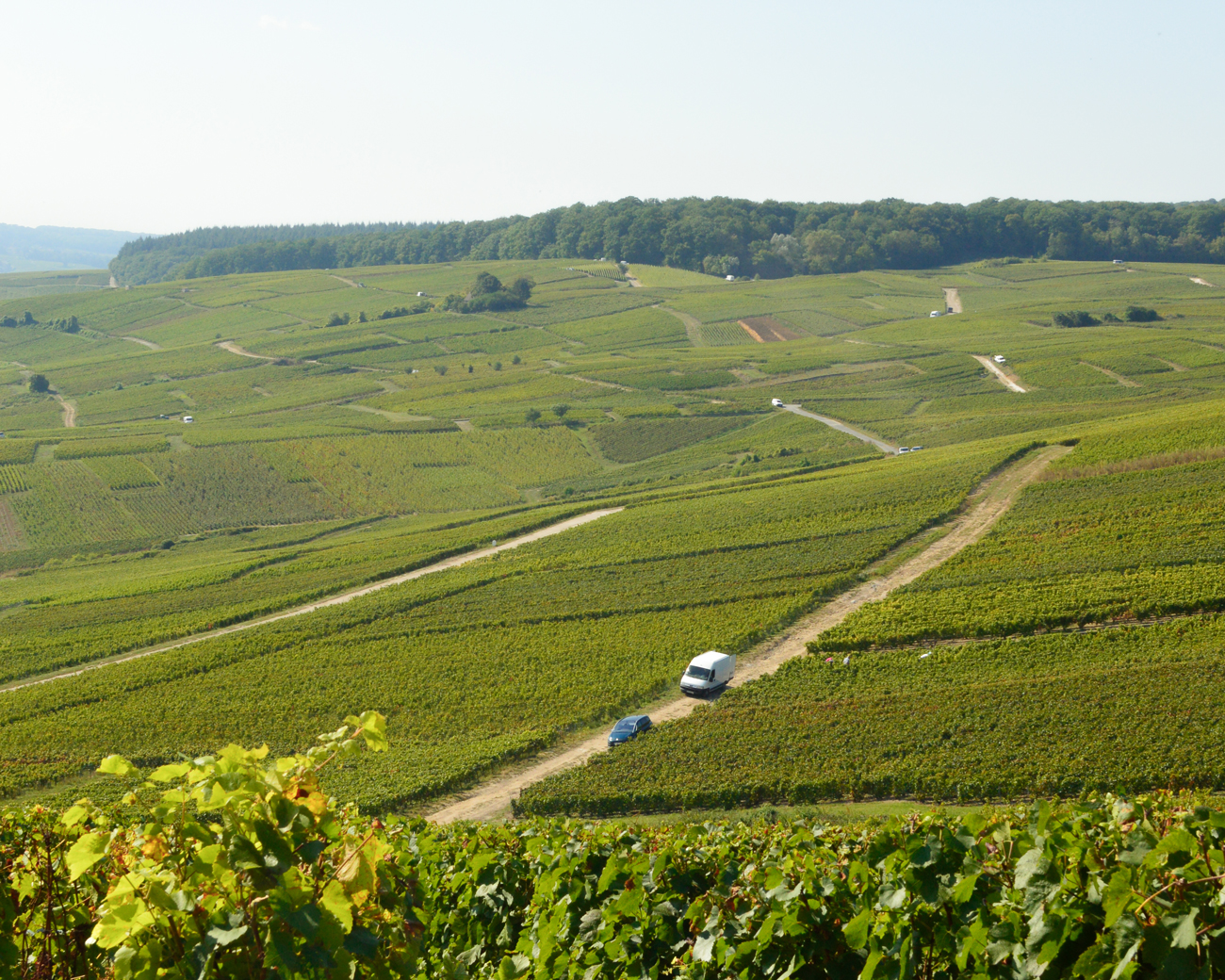
On 15 July 2026, a plot of Muscat à Petits Grains was harvested in Fitou, in the Aude. These were the first grapes picked in France, and the earliest harvest ever recorded in the country, breaking the previous record of 25 July 2022. Three weeks later, on 7 August, the Ministry of Agriculture announced that it would postpone its national harvest forecast until 8 September.
These two dates tell the story of the same year. The vines moved ahead of the calendar; the official statisticians chose to wait. As a family with roots in Champagne and vineyards of our own for decades, we read these dates as a barometer. And for a hundred years, we have been crafting the tools that accompany the wine those harvests become.
Here is how the 2026 harvest is unfolding, region by region, and what we can say with confidence at this stage.
15 July: a harvest ten days ahead of the previous record
Fitou, Muscat à Petits Grains and Domaine Champ des Sœurs
France’s 2026 harvest began in the coastal Corbières. At Domaine Champ des Sœurs in Fitou, the Muscat à Petits Grains grown for vins doux naturels, the region’s sweet fortified wines, reached maturity on 15 July. For Marie Valette, who runs the estate, this was her fifth July harvest in ten years. On this terroir, an early start is becoming the rule.
Here, Muscat acts as an early indicator. An early-ripening variety grown on warm, stony soils, it is picked at a high potential alcohol level before fermentation is halted by fortification. Every year, it signals the start of the harvest before other varieties. What changed in 2026 was the margin: ten days earlier than 25 July 2022, until then the earliest picking date ever recorded in France.
A record spring, followed by the hottest month ever recorded
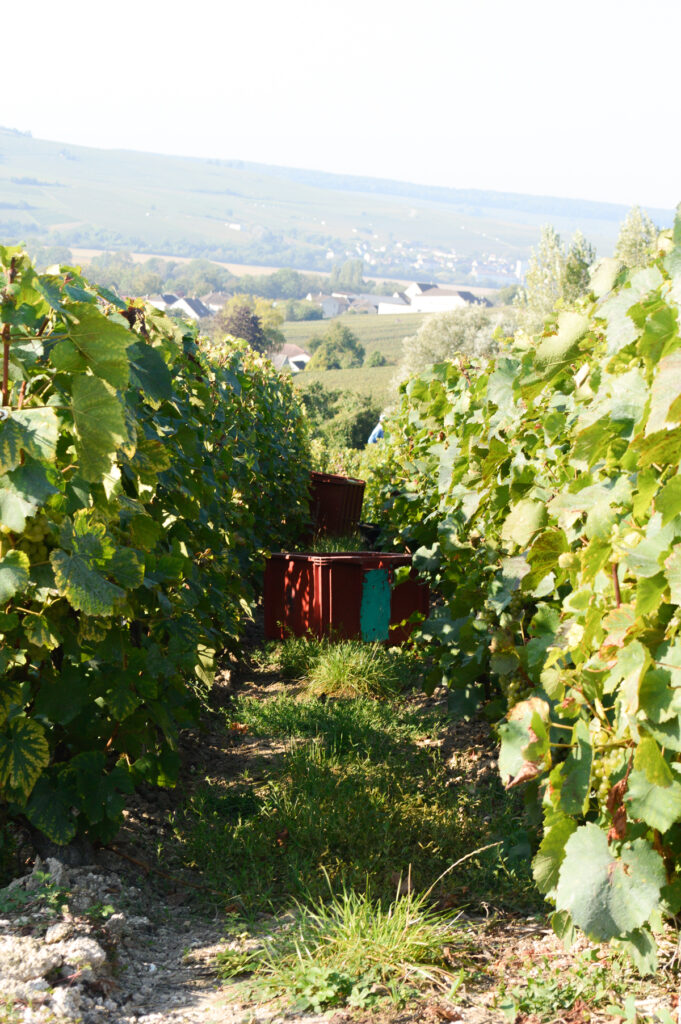
This early start took shape month by month throughout the growing season, rather than during a single spell of heat.
Spring 2026 was the warmest since records began in 1900, with an average temperature of 13.8°C, 1.7°C above normal (Météo-France). April was both warm and very dry: temperatures averaged 14.1°C, 2.3°C above normal, while low rainfall brought the spring’s overall shortfall to 30%. Soils were already beginning to dry out at budbreak.
July did the rest. With an average temperature of 24.9°C, July 2026 became the hottest month ever recorded in France, ahead of August 2003 (24.8°C) and July 2006 (24.4°C). Mean temperatures were 3.8°C above normal and maximum temperatures 5.2°C above normal. The year’s second heatwave lasted sixteen days, from 4 to 19 July; on 12 July, thirty-seven departments were under a red heatwave alert. Rainfall was 70% below normal, making this the third-driest July after 2022 and 2020. Moisture in the upper layers of soil fell to its lowest recorded level, matching August 2022.
Such heat and sunlight bring véraison, the onset of ripening, forward. Under severe water stress, the vine closes its stomata: the berries stop growing and their sugars become more concentrated. Both processes push the harvest in the same direction, with a pronounced effect.
7 August: the national forecast was put on hold
What Agreste was due to publish, and why it waited
Every year in early August, Agreste, the Ministry of Agriculture’s statistical service, releases its first estimate of the French harvest. It is the figure quoted by the trade press, wine merchants and articles such as this one. In 2026, that figure did not arrive.
On 7 August, Agreste postponed publication until 8 September, citing “considerable uncertainty surrounding these forecasts in many major wine-growing regions”. Local crisis teams are assessing losses before the figures are consolidated. Jérôme Despey, chair of FranceAgriMer’s specialist wine council, supported the decision.
This was a matter of caution rather than an administrative misstep, and last year’s experience helps explain why.
The lesson of 2025: a gap of almost seven million hectolitres
Last year, the first August estimate put the French harvest at between 40 and 42.5 million hectolitres. By 1 November 2025, with picking complete across the country, Agreste had revised that figure to 36.2 million. Harvest declarations have since put the 2025 total at 35.9 million hectolitres.
The gap between the upper end of the August forecast and the consolidated figure was almost seven million hectolitres. A national total published in late August is still only a broad estimate, and may look very different three months later. The ministry has clearly taken that lesson on board.
The lesson of 2025: a gap of almost seven million hectolitres
Agreste eventually released its first forecast on 7 September, a day earlier than announced. Based on conditions as at 1 September, it puts France’s 2026 harvest at nearly 34 million hectolitres (33.9 million), down 6% year on year and 17% below the 2021–2025 average. Agreste describes it as one of the smallest harvests of the past thirty years.
Two factors are at work. The area of vines in production has fallen by 2.5% year on year, while a hot, dry summer has reduced yields through heat damage, sunburn, leaf loss and shrivelled grapes. The season had begun more promisingly, with soil moisture replenished in spring, strong bunch development and little disease pressure.
The picture varies sharply from one region to another. Champagne is expected to lose almost half its crop compared with 2025 (−48%), Burgundy and Beaujolais a third (−33%), and the Jura more than a third (−36%). Bordeaux (+10%) and Languedoc-Roussillon (+5%), by contrast, are forecast to improve year on year as yields recover from a very small 2025 harvest, while remaining well below their five-year averages.
What the vines endured this summer
Drought took a greater toll than heat
Across most wine-growing regions, the lack of water had a greater impact than the temperature alone. In Alsace, Colmar has received just 88 mm of rain since the start of the year, compared with more than 180 mm by the same date last year. Gilles Ehrhart, president of the Alsace winegrowers’ association, expects a third consecutive small harvest: the region is forecasting 804,000 hectolitres, against 840,000 in 2025, while the market absorbs around 850,000.
Drought has a direct effect on the crop: small berries and light bunches mean less juice. In Champagne, average bunch weight was expected to reach no more than 110 grams in early August. In Beaujolais, juice yields are expected to be low following millerandage, when some berries remain small and underdeveloped.
Ripening, meanwhile, accelerated. In Champagne, average potential alcohol had reached 8.2% ABV by 3 August, a rise of 3.4 percentage points in just one week.
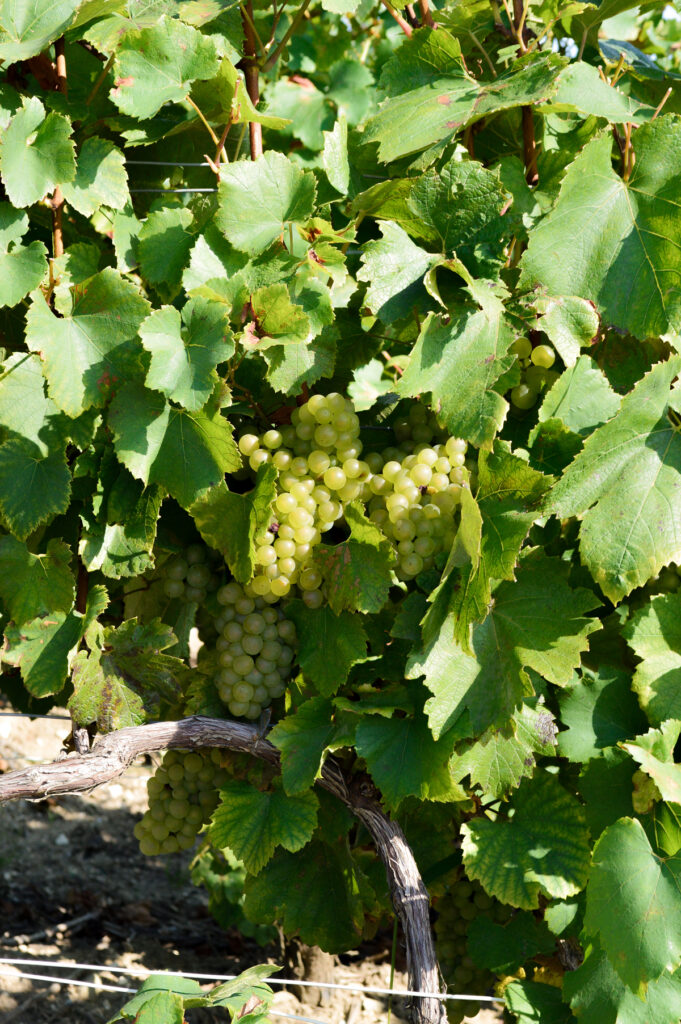
Hail, frost and fire: 4,000 hectares hit by hail in Beaujolais alone
Alongside these wider climatic pressures came localised events that might affect only one village or hillside, yet wipe out the harvest wherever they struck.
Beaujolais suffered the worst hail damage: around 4,000 of its 11,600 hectares were hit, more than a third of the vineyard area. The Ardèche, Vouvray (600 hectares) and Alsace (150 hectares) were also affected. Spring frosts struck Champagne and the Chablis area. Then, on 1 July, a wildfire that began in the Oupia hills in the Hérault spread into the Aude, burning through more than 900 hectares. It was on a very different scale from the vast Corbières fire of August 2025, but the vineyards were already under strain.
The 2026 harvest across France
This year, we follow the regions in the order picking began, rather than taking the usual geographical route. The timing is the story.
15 July, Languedoc. France’s first grapes are picked in Fitou: Muscat à Petits Grains, ten days ahead of the 2022 record.
Early August, Landes, Tursan and Armagnac. The first grapes arrive in the cellar, although picking usually begins around 1 September.
Early August, Corsica. Harvesting gets under way. Thanks to irrigation, the heatwave ultimately has little impact on volumes.
6 August, Touraine. The earliest estates in Centre-Val de Loire begin picking so soon that several switch to machine harvesting to keep pace.
6 August, Champagne and Bordeaux begin on the same day. This is the year’s most striking milestone. In Montgueux, in the Aube, Vincent Finot obtains special permission to pick his Chardonnay on 6 August, with potential alcohol above 11% ABV. That same day in the Gironde, Bordeaux Families harvests Merlot and Sémillon for Crémant base wines in Branne and Saint-Léger-de-Vignague, at 9% potential alcohol and acidity of 7 to 8 g/L, compared with a start date of 13 August in 2025. Sébastien Debuisson, research director at the Comité Champagne, sums it up: “We are at least ten days ahead of 2025, which was already very early.”
10 August, southern Rhône Valley and Provence. White varieties open the harvest. Drought has reduced berry size, while hail has struck the Vaucluse, Ardèche and Drôme.
11 August, Muscadet. The official harvest opening is announced at short notice to allow picking to begin in the Nantes vineyards, eight days ahead of the previous record of 19 August 2003. At Domaine de l’Épinay in Clisson, Sylvain Paquereau has to bring his team’s holidays forward as the grapes begin to shrivel.
11 August, Île de Ré. A full month ahead of the usual schedule.
12 August, Alsace. The first grapes for Crémant are picked by hand, as the appellation rules require, even before the official announcement. The opening date is set on 17 August, with the wider harvest beginning on the 18th.
12 August, Champagne. The Comité Champagne publishes its harvest opening dates for each village and grape variety, bringing the announcement forward from 15 to 12 August. Picking gathers pace between the 12th and 14th, during the year’s fifth heatwave. The yield permitted for commercial production had already been set on 22 July at 8,800 kg/ha. This is the fourth consecutive reduction, following 11,400 kg/ha in 2023, 10,000 in 2024 and 9,000 in 2025. That figure reflects the Champagne market rather than the weather.
13 August, Beaujolais. The official harvest opens. By 20 August, Gamay shows potential alcohol levels of 12.5% to 14.5% ABV, while phenolic ripeness lags behind sugar accumulation: the seeds and skins are still unripe, even though the sugars already promise high alcohol.
15 August, Savoie. Here too, picking begins a month earlier than usual.
17 to 25 August, Burgundy. Likely picking windows are narrowing, but dates remain uncertain: 17 to 24 August around Pouilly-Fuissé and 20 to 25 August in the Châtillonnais, with grapes for Crémant picked from mid-August. Drought makes the start difficult to predict, complicating recruitment of the roughly 40,000 seasonal workers the region needs.
Early September, Charentes. Harvesting begins, with the crop expected to be 6% smaller than the already low 2025 harvest. By this point, picking in the Jura is complete.
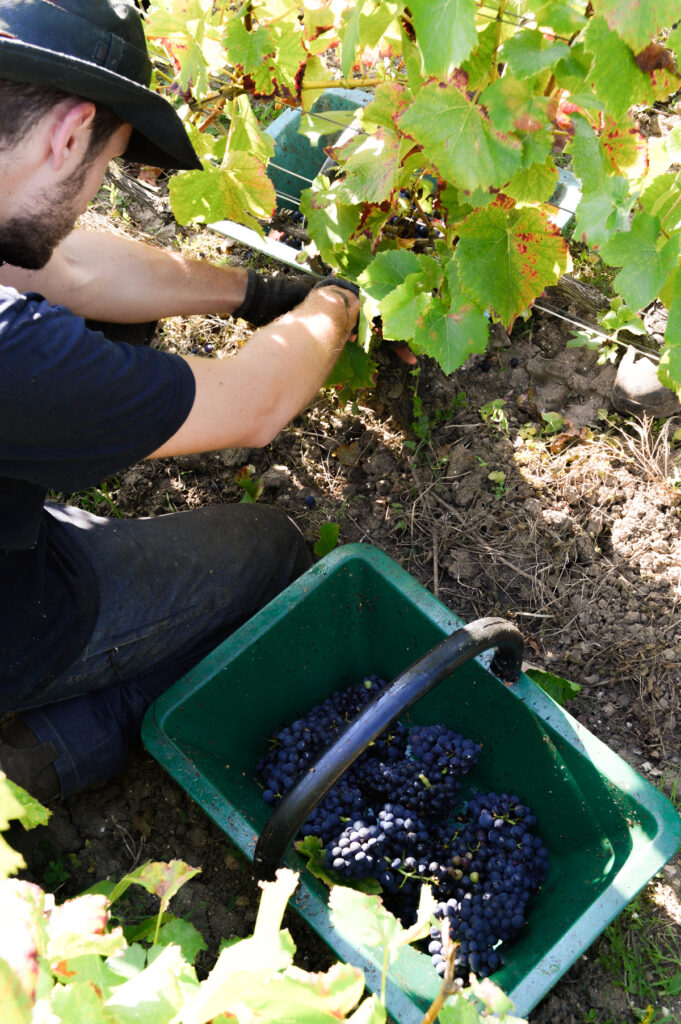
What we know about the 2026 vintage, and what remains to be seen
A few things are already clear.
Several regions are heading for a small harvest: berries are small, bunches are light, and Alsace expects its third modest crop in a row. Alcohol levels will be high, as both Champagne and Beaujolais suggest. Acidity in the northern regions has also held up better than feared, with total acidity above 13 g/L in Champagne in early August, an encouraging sign for Champagne base wines.
Other questions remain open, particularly the gap between sugar ripeness and tannin maturity. Beaujolais provides a telling example: Gamay with 14.5% potential alcohol but unripe skins will produce a wine high in alcohol yet lacking substance. Much will depend on how each grower balances potential alcohol against phenolic ripeness, a decision made plot by plot.
As for the national total, the first estimate arrived on 7 September: nearly 34 million hectolitres. It remains a forecast, drawn up before the harvest was complete, and last year showed just how much such figures can change. To declare 2026 a great vintage now would be to place a bet on wines whose vinification has barely begun. We will share our assessment when there is enough evidence to do so.
Five vintages at a glance
This table uses national volumes consolidated by the official statistical services, rather than August forecasts, which are often revised later. This explains differences from the figures we published during the growing season in earlier editions. For 2026, only the September forecast is available so far, and it is identified as such.
Mhl: million hectolitres. DGDDI: the French customs authority, which collates harvest declarations and supplies final production volumes. The average harvest for 2021–2025 was 40.7 Mhl: 2024, 2025 and 2026 all fall well below that level. Sources : Agreste
Nearly 34 million hectolitres, according to the Ministry of Agriculture’s first estimate, published on 7 September 2026 and based on conditions as at 1 September. This is 6% below 2025 and 17% below the 2021–2025 average, making it one of the smallest harvests of the past thirty years. The figure remains a forecast: in 2025, the August estimate was 40 to 42.5 million hectolitres, while the harvest was ultimately recorded at 35.9 million.
How an early harvest changes the wine, and the way we serve it
A harvest that begins ten days ahead of the national record, and up to a month early in Savoie and on Île de Ré, changes more than the calendar. It brings wines with higher alcohol and greater concentration, sometimes with less freshness, calling for a different approach to serving and tasting. In the cellar, winemaking practices are adapting; the rituals of the table will need to follow.
This is where our craft begins. In our workshops, we design the Wine Tools that accompany these wines, opening them gently and serving them at the right temperature. Le Vigneron has long played its part, through warm vintages and all the years between.

Frequently asked questions
When did the 2026 wine harvest begin in France?
On 15 July 2026, in a plot of Muscat à Petits Grains at Domaine Champ des Sœurs in Fitou, in the Aude. It was the earliest harvest ever recorded in France, ten days ahead of the previous record of 25 July 2022. Other regions followed from early to mid-August, with an unusual milestone: Champagne and Bordeaux both began on 6 August.
Why is the 2026 wine harvest so early?
The entire growing season has been hot and dry. Spring 2026 was the warmest since 1900, with rainfall 30% below normal, and July 2026 became the hottest month ever recorded in France, with a 70% rainfall shortfall. Heat speeds up sugar ripening, while drought concentrates the berries. Together, they bring the harvest forward.
How much wine will France produce in 2026?
Nearly 34 million hectolitres, according to the Ministry of Agriculture’s first estimate, published on 7 September 2026 and based on conditions as at 1 September. This is 6% below 2025 and 17% below the 2021–2025 average, making it one of the smallest harvests of the past thirty years. The figure remains a forecast: in 2025, the August estimate was 40 to 42.5 million hectolitres, while the harvest was ultimately recorded at 35.9 million.
Will 2026 be a good vintage?
It is too early to say: vinification has barely begun. What we do know is that alcohol levels are high, drought has reduced volumes, and acidity has held up well in the northern regions. The key concern is the gap between sugar ripeness and tannin maturity, particularly evident in Beaujolais Gamay.
Which wine regions have suffered most in 2026?
According to Agreste’s estimate of 7 September, Champagne, hit first by frost and then by drought, could lose almost half its crop compared with 2025. Burgundy and Beaujolais could lose a third, and the Jura more than a third. In Beaujolais, hail struck around 4,000 of the region’s 11,600 hectares. Alsace, where drought is bringing a third consecutive small harvest, expects 804,000 hectolitres for a market that absorbs 850,000. The Chablis area also suffered frost, while a wildfire in the Aude burned through more than 900 hectares on 1 July.
Article updated in September 2026 to include Agreste’s first national estimate, published on 7 September.
Copyright.
All text, images and graphics are protected by copyright. Please contact us for permission to use any part of this content.
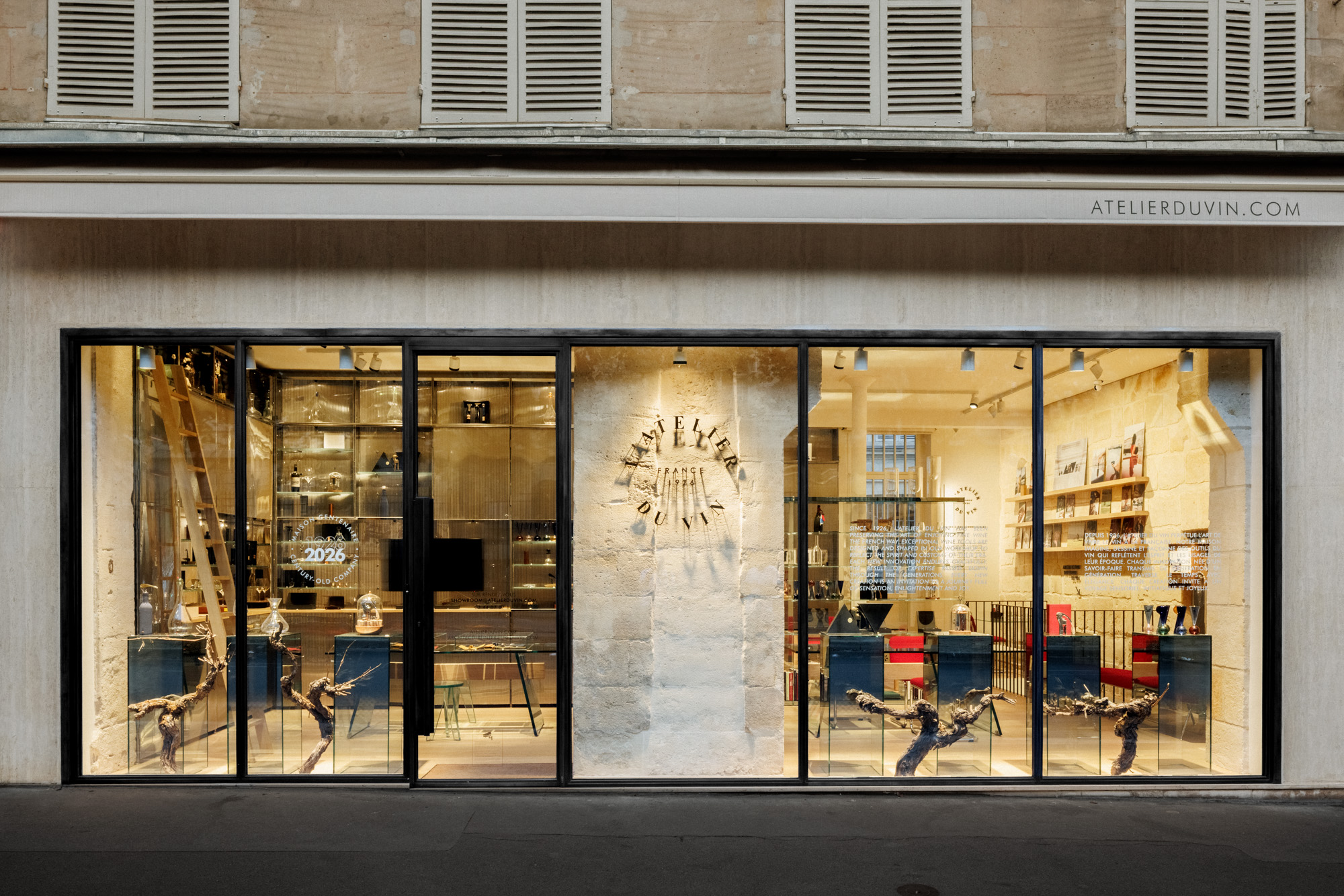
L’Atelier du Vin at Paris Design Week 2026
Join L’Atelier du Vin at 80 rue Bonaparte for Paris Design Week, 10–19 September 2026: design, creative encounters and the French art of enjoying wine.
Read the article
From the Bilame Chrome to the Bilame Silver Signature: the evolution of a wine icon
For nearly a century, L’Atelier du Vin has cultivated a singular approach to the art of living with wine: a dialogue between tradition, gesture and material.
Read the article
Harvest 2025: A Year of Climatic Contrasts and Promises of Great Wines
Harvest 2025 Review: Figures, Regions, Climate, Trends, and Insights on the Quality of an Exceptional Vintage.
Explore the guide


