

 Back
Back 


Harvest 2025: A Year of Climatic Contrasts and Promises of Great Wines
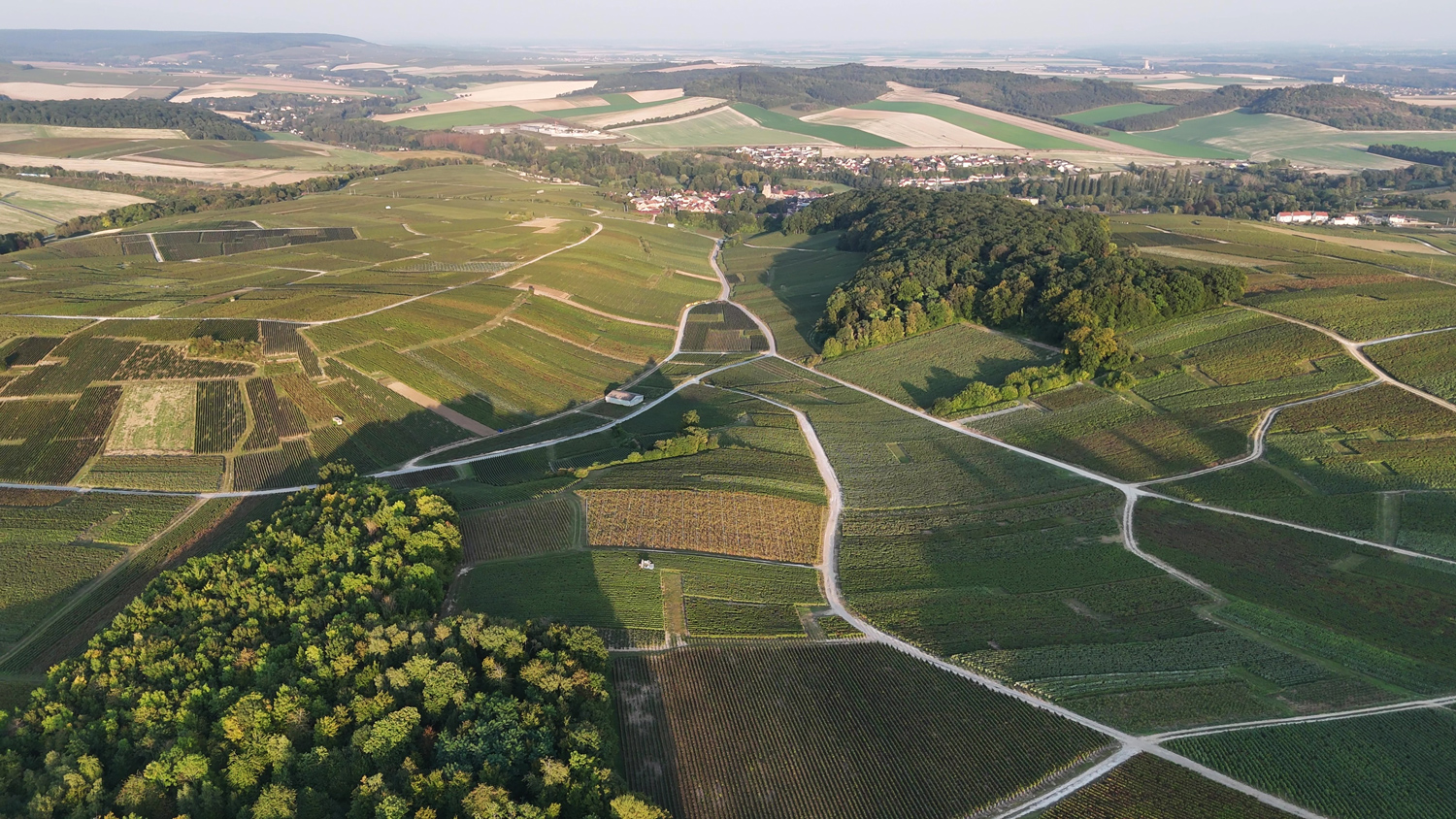
With the close of the 2025 harvest, French vineyards reveal the diversity of their situations: after a challenging 2023 and an exceptional 2024 vintage, this 2025 cru confirms the rise of climatic contrasts reshaping French viticulture. Marked by record precocity and constant adaptation, the vintage already stands out as singular—yet full of promise.
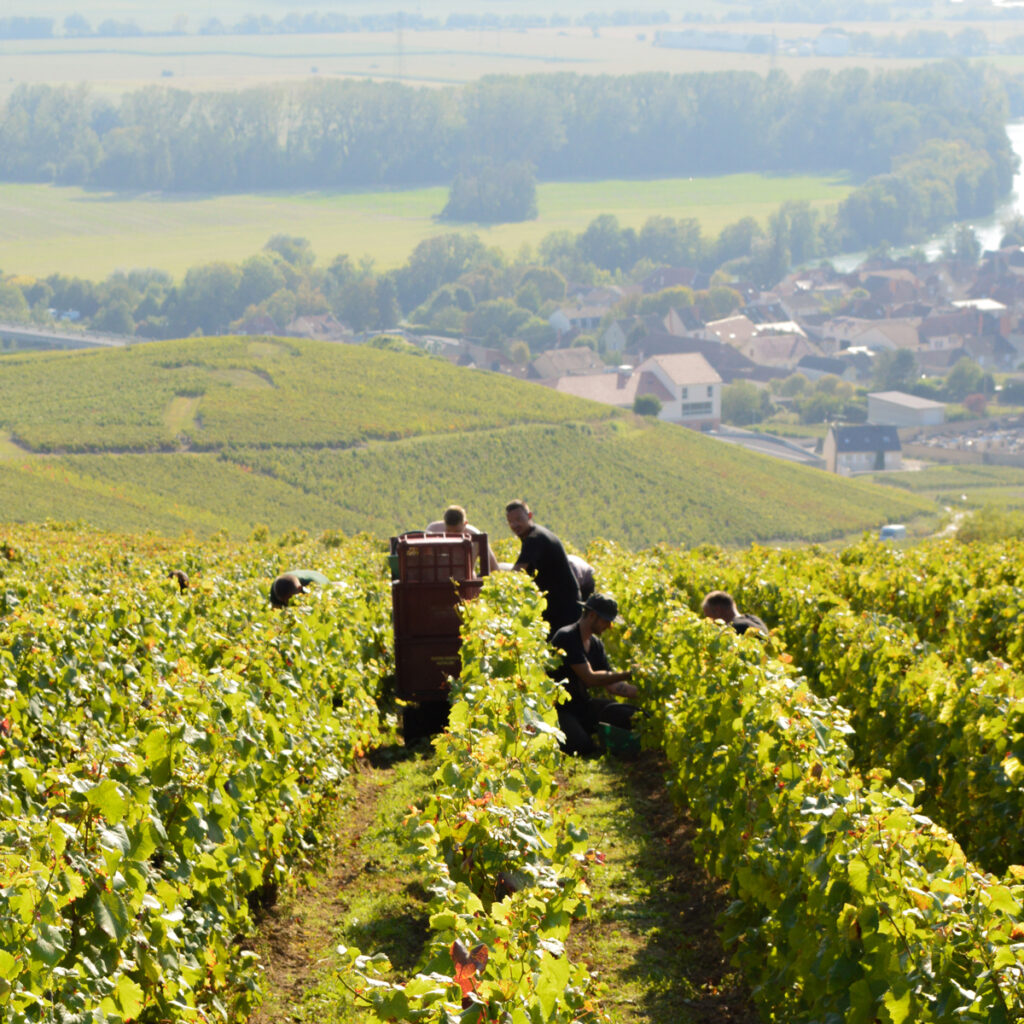
The Climatic Challenges of 2025
The year was marked by a mild winter and an irregular spring, with heavy rainfall drenching northern France, while the South endured drought and localized storms.
The summer, in turn, was defined by a dry and warm start to the season, followed by intense heatwaves and severe drought in August that affected many vineyards, including Charentes, Burgundy, Beaujolais, and Languedoc-Roussillon.
This extreme variability requires winegrowers to demonstrate unprecedented vigilance and adaptability.
Record-Early Harvest
In many regions, the harvest began two weeks earlier than the thirty-year average—recording in Alsace, for example, the earliest start ever observed.
This upheaval, a direct consequence of climatic shifts, is already shaping the first juices and suggests wines of distinctive character and brilliance—true reflections of their terroir and of the year’s singular nature.
Harvests by Region: 2025’s Contrasting and Unexpected Outcomes
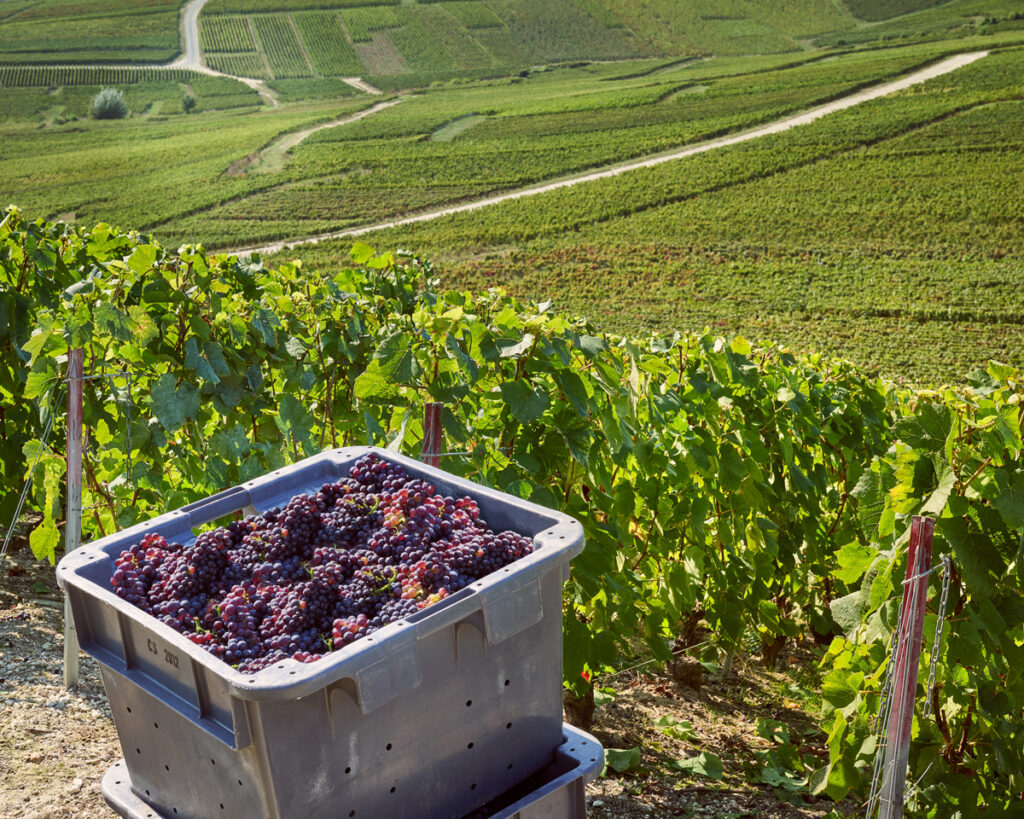
The 2025 vintage holds its share of surprises for both enthusiasts and professionals. From the Loire, with an exceptional production up 26%, to Alsace setting records for early harvesting, and Beaujolais experiencing its smallest yield since 2012, this cru establishes itself as a vintage of striking contrasts.
Let us explore together the regional specificities of a year in which French viticulture once again demonstrates its remarkable ability to adapt to climatic challenges.
Champagne, the Balance
With a harvest up by 12%, Champagne stands out despite pronounced millerandage and the occasionally stifling heat of August.
The first juices appear promising and balanced, carrying a refreshing acidity that heralds great qualities for the sparkling wines to come.
Bordeaux and the Southwest, Maturity
The summer heat fostered excellent grape ripeness, yielding particularly fleshy Merlots and elegant Cabernets.
Yet production shows a decline, heavily affected by massive uprooting—over 8,000 hectares—and an overall yield below the five-year average. This context, however, does not diminish the aromatic finesse expected of the vintage.
Burgundy, Precision
The 2025 Burgundy vintage is expressed with precision but suffers from limited volumes—undermined by disease and hail.
Chardonnay stands out with its mineral tension, and Pinot Noir with its fruity freshness, ensuring fine expressions of the terroir despite the shortage.
Alsace & Jura, Precocity
The year is marked by rare precocity; Alsatian Rieslings reveal a superb crystalline acidity. In Jura, production has rebounded spectacularly thanks to favorable post-frost conditions—a long-awaited revenge on past hardships.
Loire Valley, Abundance
Production has seen a spectacular increase (+26%), driven by the diversity and freshness of the berries. Sauvignon Blanc and Cabernet Franc emerge as the flagships of a particularly successful vintage in the region.
Rhône Valley and Beaujolais, Drought
Heatwaves and drought have severely reduced volumes in Beaujolais, resulting in the smallest harvest since 2012.
In the Northern Rhône, Syrah has fared admirably, while in the South, Grenache benefits from good ripeness, yielding generous wines.
Languedoc-Roussillon, Decline
Production is down by 5%. Heatwaves, uprooting (over 10,000 hectares), and wildfires explain this contraction, although certain areas have maintained homogeneity and consistency in grape quality.
Provence and Corsica, the Promise
Provençal rosés remain high in quality despite the intense heat, while Corsican reds, concentrated and powerful, show relatively low juice yields—a sign of a vintage both atypical and full of promise.
Vintage 2025: Early Outlook
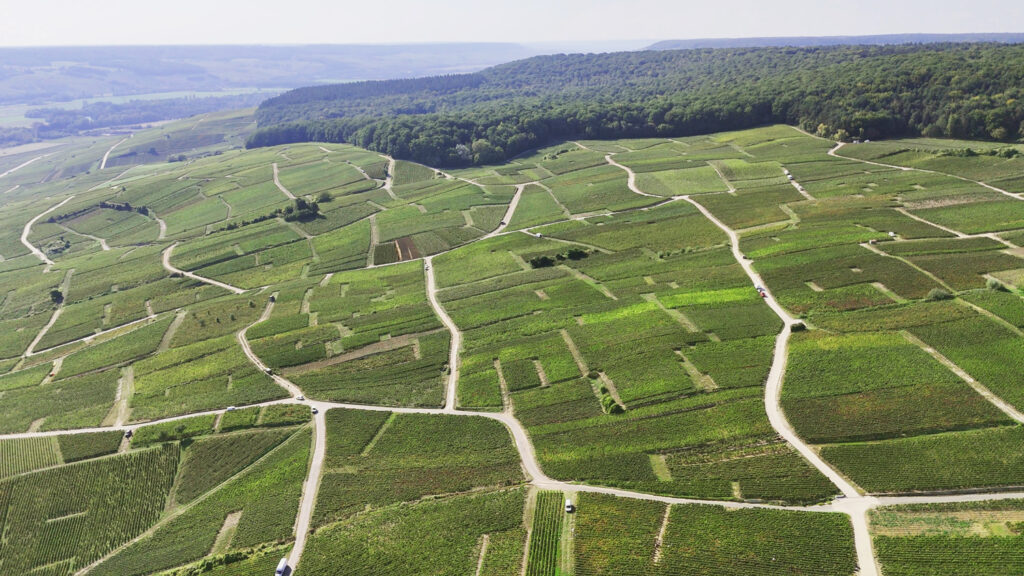
After this tour of France’s regional specificities, the essential question arises: what face does the 2025 vintage take in the glass? Early tasters, winegrowers, and experts share their impressions, revealing the contours of a vintage shaped by adaptation and the sincerity of the terroir.
The 2025 vintage takes shape under the sign of diversity and a strong sense of typicity, despite irregular volumes and heightened sanitary pressure. Early tasters praise the faithful expression of the terroirs, achieved through the exemplary resilience of winegrowers in the face of downy mildew, powdery mildew, and drought.
- Northern Whites: White wines from northern terroirs reveal their full vivacity; precise, marked by an enticing acidity and a clear mineral tension, they embody the balance that only a contrasting climate can offer.
- Southern Reds: The southern reds stand out for their concentration and power, often carried by a generous structure. Syrah and Malbec shine among the emblematic varietals, endowing the wines with backbone and aromatic complexity.
- Provençal Rosés: Always highly anticipated by the market, rosés highlight balanced expressions, refreshing freshness, and a nuanced aromatic palette that reflects the region’s relentless pursuit of excellence.
- Sparkling Wines: Despite constrained yields, Champagne succeeds in distinguishing itself; the first juices captivate with finesse, balance, and the promise of a distinguished vintage.
Overall, 2025 highlights the winegrowers’ ability to adapt: the emerging cuvées bear the mark of a savoir-faire constantly reinvented, giving rise to wines that are precise, expressive, and deeply rooted in their origin. Despite the challenges, the expression of the terroirs stands out as the truest echo of this singular year.
Harvest 2025: Key Facts & Figures
37.4 million hectoliters
This is the volume of wine France is about to seal in its cellars this year—a rebound of +3% compared to 2024, yet still down (-13%) from the great years of the decade.
20,000 hectares uprooted
The equivalent of Bordeaux’s entire vineyard area for a generation. Behind this figure lies the determination of regions to rethink and reinvent themselves: 8,500 ha in Gironde, 6,500 ha in the Southwest, 5,000 ha in Languedoc-Roussillon.
+26%: the Loire shines
The Loire shows the strongest regional growth and promises a vintage radiant with freshness and aromatic diversity.
2012, last record surpassed by Beaujolais
With its smallest harvest in more than ten years, Beaujolais reminds us how fragile the balance of each vintage can be.
Two weeks ahead in Alsace
Unprecedented in thirty years: the earliest harvest ever recorded in the Alsatian vineyard.
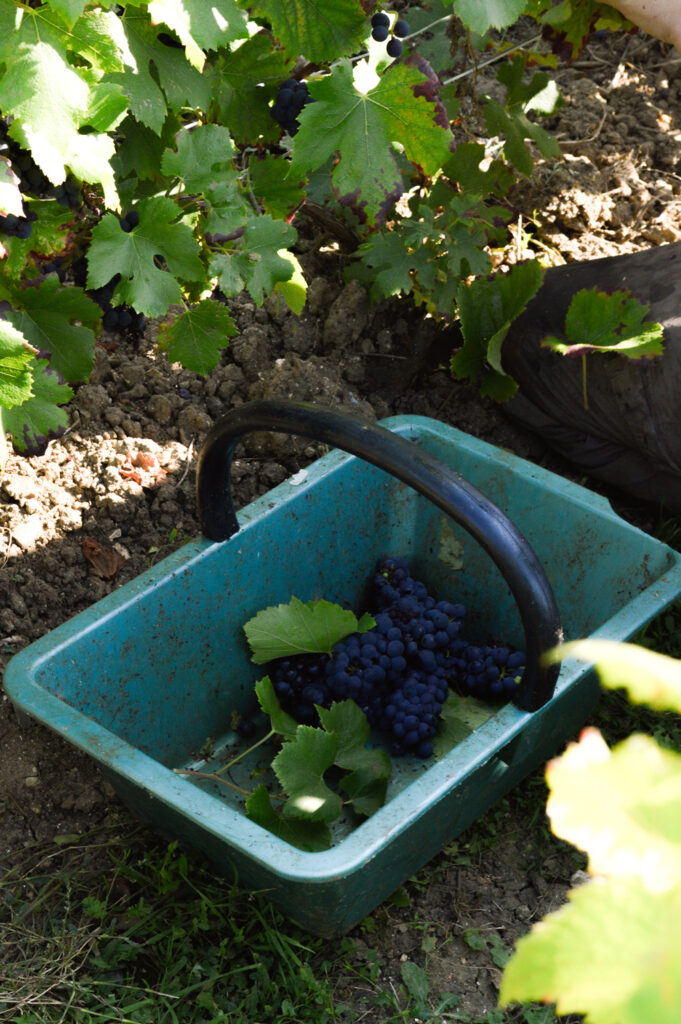
In the Background:
Behind every figure lie families, villages, and entire seasons of observation and commitment. These numbers are not mere barometers: they tell of collective effort, silent adaptations, and the ongoing quest for exceptional wine.
Behind Every Number, a Strategy of Resilience and Excellence
Nothing illustrates the unique dynamic of the last four winegrowing campaigns better than a comparative table:
Vintage after vintage, the French vineyard teaches and inspires us.
- 2025 embodies both momentum and uncertainty: a strong rebound in production, pronounced acidities, but also new equations to solve between drought and restructuring.
- 2024 reflected fragility and precision, where every liter mattered and every gesture was carried out under sanitary or climatic pressure.
- 2023, striking with its ripeness and the intensity of its reds, will be remembered as a France of wine both audacious and tested.
- 2022, a vintage of abundance and sunshine, carried the promise of reunion and creativity for the terroirs.
Over time, the vine never ceases to surprise and adapt, always offering new keys to understanding what defines the greatness of wine: shared passion, the pursuit of balance, and the enduring bond between the terroir and those who cultivate it.
2025: Wine Facing Its Challenges
Beyond the review, the 2025 vintage raises new questions for the wine industry: how can environmental requirements, unpredictable climate, and market expectations be reconciled?
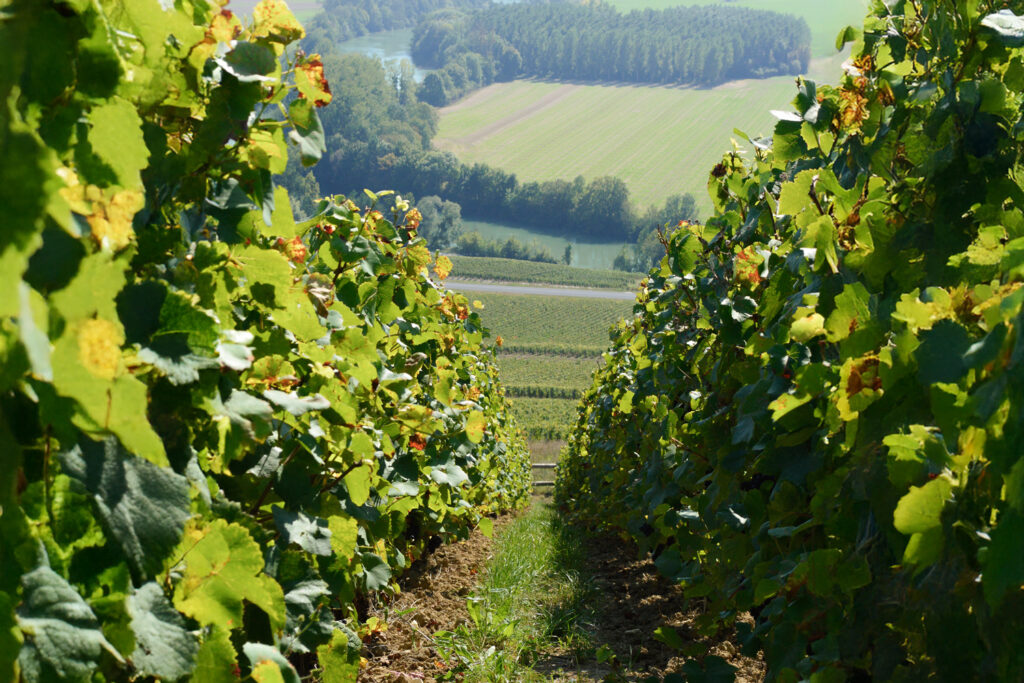
Technical innovations, vineyard conversions, and a focus on biodiversity are becoming the cornerstones of a viticulture that seeks to remain strong, fair, and radiant. Each bottle, each harvest, is now the fruit of a daily dialogue between the sky, the earth, and the men and women of wine.
Copyrights.
Editorial, visual, and graphic elements are strictly subject to copyright. For any request regarding partial or full use, please contact us.
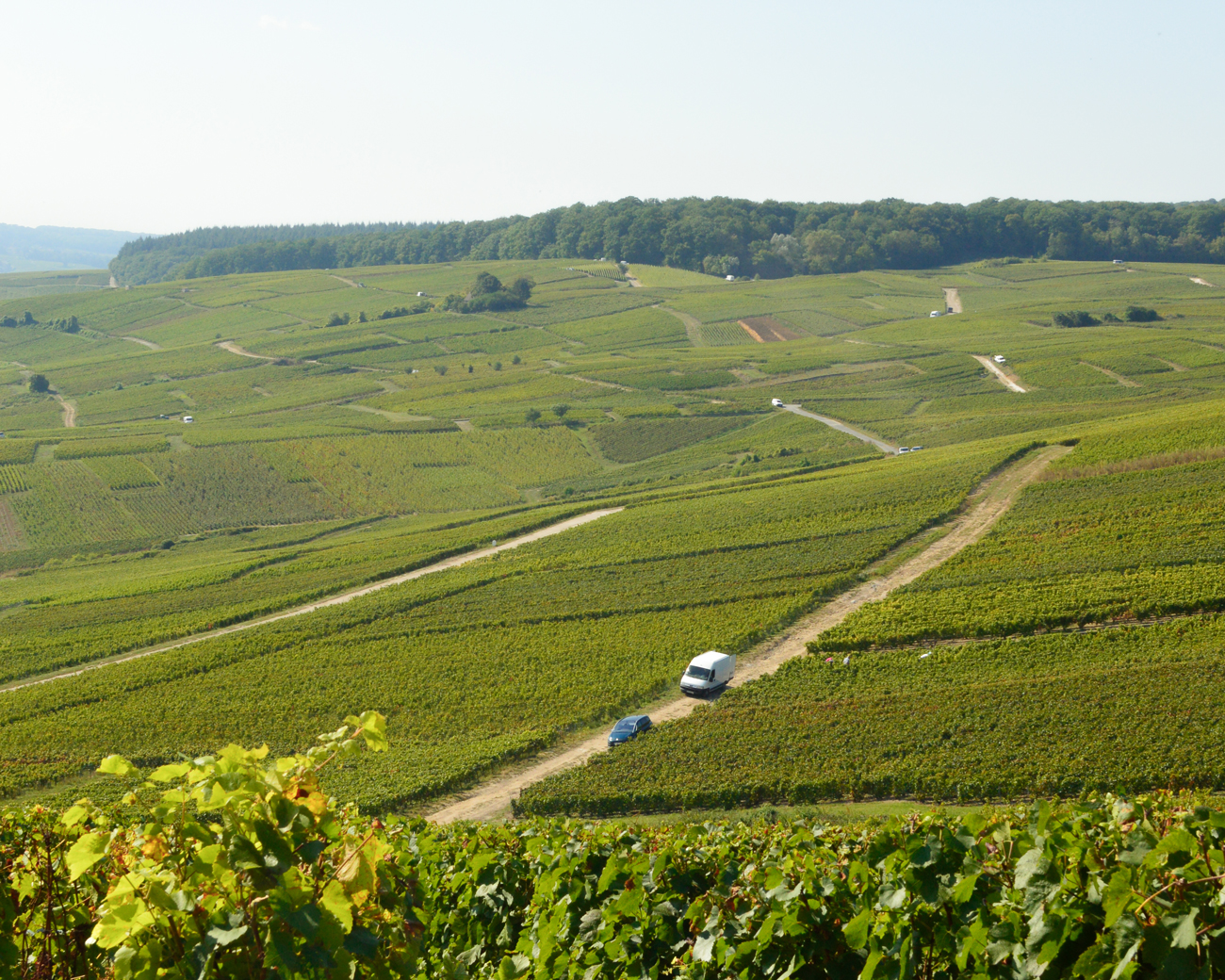
2026 Wine Harvest: France’s First Grapes Picked on 15 July
Picking began in Fitou on 15 July, ten days ahead of the 2022 record. How drought and an early start are shaping France’s 2026 wine harvest.
Explore the guide
L’Atelier du Vin at Paris Design Week 2026
Join L’Atelier du Vin at 80 rue Bonaparte for Paris Design Week, 10–19 September 2026: design, creative encounters and the French art of enjoying wine.
Read the article
From the Bilame Chrome to the Bilame Silver Signature: the evolution of a wine icon
For nearly a century, L’Atelier du Vin has cultivated a singular approach to the art of living with wine: a dialogue between tradition, gesture and material.
Read the article


