Back
Back 


How to Read a Wine Label?
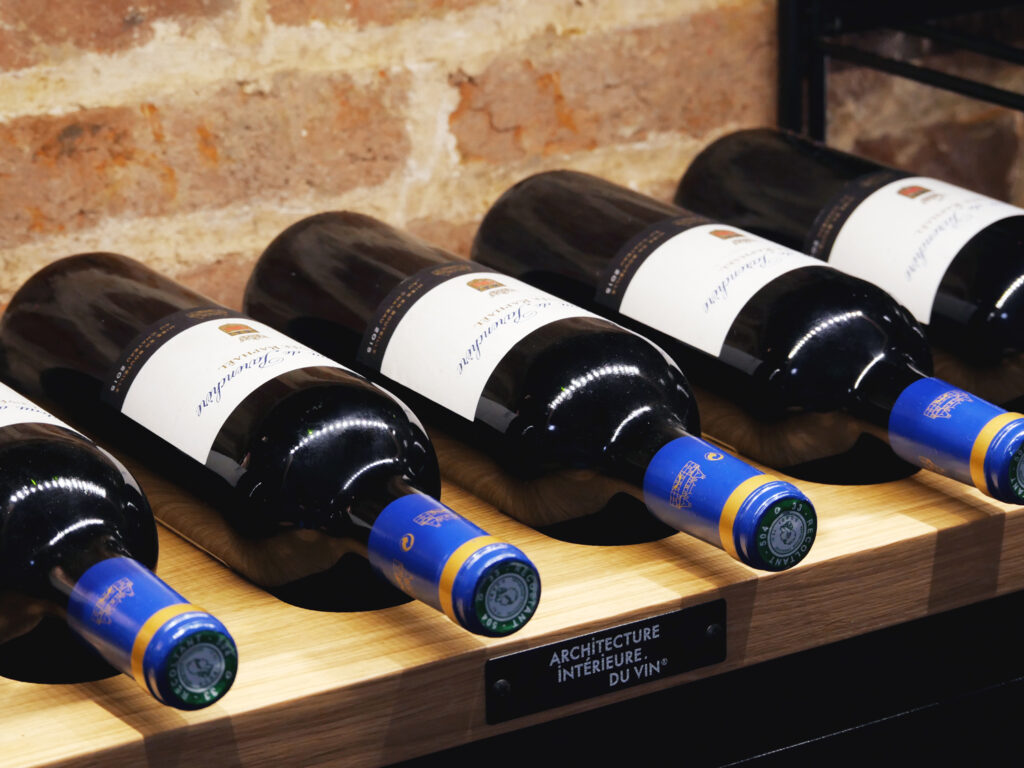
Knowing how to read a wine label gives you a preview of the beverage before even opening the bottle. This small piece of paper reveals the wine’s authenticity, quality, and origin. These elements help you quickly spot a trustworthy bottle. However, without some expertise, it can be difficult to ensure you’re enjoying a quality wine. Moreover, by learning to decode a wine label, you can be confident that your choice will match your expectations. Ready to uncover what lies behind this precious information? Let’s explore the art of reading a wine label.
The Main Elements of a Wine Label
Wine labels contain various mandatory and optional details, including the following four key elements:
Estate or Château Name – What Does It Reveal About the Wine?
Want to explore regional specificities? The estate or château name is a key indicator. It reflects the producer’s history and expertise. If you seek authenticity, choose a bottle that includes this detail, which is a mark of quality.
This mandatory mention is much more than a simple brand. Regions like Burgundy and Bordeaux have strong reputations, thanks to family estates with generations of precise winemaking knowledge.
Grape Variety – How Does It Influence the Taste?
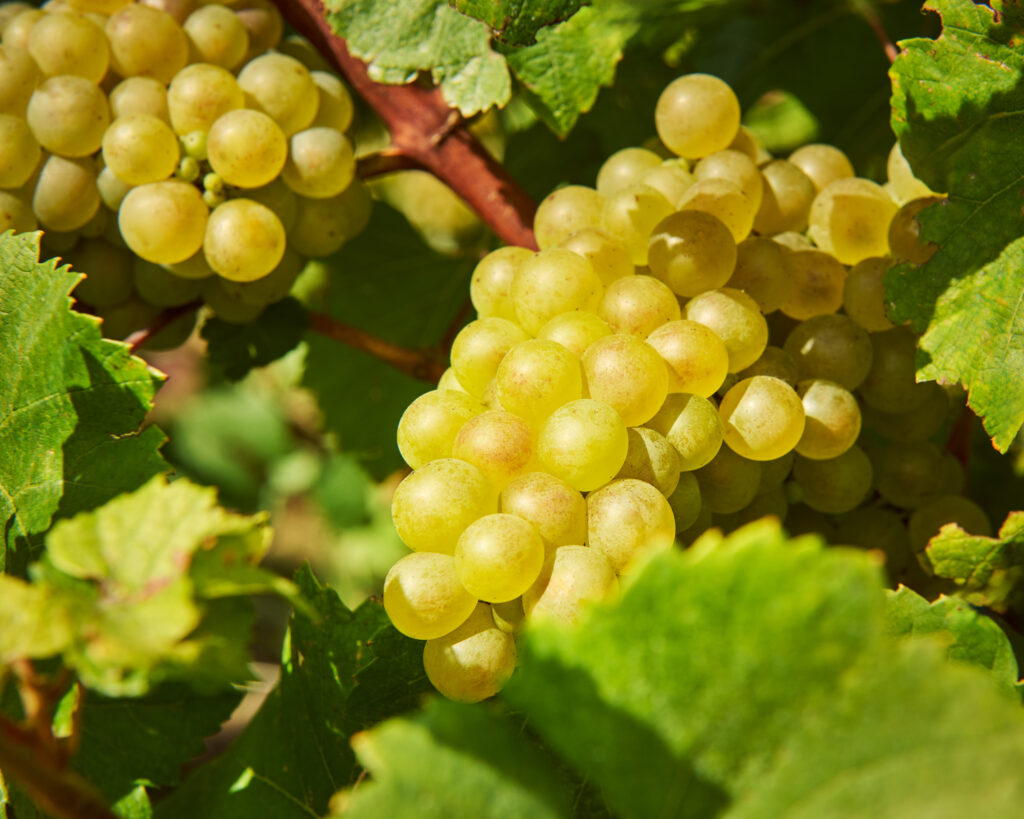
The grape variety informs you about the type of grape used in making the wine. It determines much of the wine’s flavor and character.
Vintage – Why Is It Important?
The vintage indicates the year the grapes were harvested. Its value is linked to the weather during that season. Heatwaves, drought, and hail can all affect how the grapes mature. A hot, sunny year often produces rich wines with ripe fruit aromas, while a cooler year results in fresher, lighter wines with more acidity.
Appellation d’Origine Contrôlée (AOC) – A Guarantee of Quality?
The AOC ensures the wine meets the rules of production specific to its region. It certifies that the wine respects its territory’s identity and a quality charter. This designation is a key guide to finding wines with a sense of typicity. However, it’s not a guarantee of excellence on its own — the winemaker’s know-how also plays a role.
Mandatory Legal Information
Reading a wine label helps you identify useful clues about the nature of the wine. Combined with the capsule color, it can tell you more about the wine’s type and character.
Alcohol Percentage – What Does It Mean?
Alcohol content is shown as a percentage of the bottle’s volume. It usually ranges from 12% to 15% but varies by region and production methods. For example, a wine from the Loire Valley likely has lower alcohol than one from South Africa.
Bottle Volume – What Are the Standard Sizes and What Do They Mean?
The standard bottle size is 75 cl. Half-bottles (37.5 cl) are perfect for tastings or small gatherings. Large formats such as magnums (150 cl) and jeroboams (300 cl) are often reserved for festive occasions.
Batch Number – A Clue to Traceability and Safety?
This code, made of letters and numbers, ensures both traceability and food safety. It must be clearly visible and legible. It allows producers to trace the wine back to its origin in case of contamination or production defects.
Are Legal Mentions Like “Contains Sulfites” Mandatory?
You’ll see the mention “contains sulfites” on a wine label if the content exceeds 10 mg/l.
Decoding Labels and Certifications
Reading a wine label that features labels or certifications influences consumer choice — especially for those who value environmentally respectful wines.
Organic and Biodynamic Labels – What Do They Mean for Winemaking?
An organic wine label means the wine was produced according to EU organic standards. In contrast, the term “biodynamic” may be used by any producer using this specific method of vineyard cultivation.
Regional Certifications – Tradition or Marketing Tool?
In addition to serving as consumer guides, regional certifications aim to reflect a wine’s local identity. They indicate specific winemaking methods that follow strict specifications, ensuring consistency across wines from a geographical area.
Authentic Labels – How to Tell Them Apart from Marketing Tricks?
With so many labels, it’s essential to distinguish between certified standards and marketing terms. Know the difference between official labels such as “AB” (organic agriculture), “Demeter,” or “Vin Nature,” and vague marketing terms like “Vieille Vigne,” “Grand Vin,” or “Grand Vin + AOC.” The latter may be appealing but do not ensure regulatory compliance or product quality.

Interpreting Secondary Details
Secondary details on a label provide more insight into the wine’s quality and style.
Cuvée Names – What’s the Difference Between “Special Cuvée” and “Classic Cuvée”?
A “special cuvée” is made from grapes from the best plots of a vineyard. Prestige wines often undergo special techniques, including longer oak aging.
A “classic cuvée” means the wine is produced in large quantities. The producer aims for broad accessibility, not necessarily premium quality.
Negociant or Bottler – What Is Their Role?
The bottler is the person responsible for bottling the wine. As the party accountable for the product, their name and address appear on the label.
Mentions of Medals and Awards – Should You Trust Them?
Medals and awards serve as marketing tools to boost sales. They show that the wine won a prize but don’t necessarily guarantee quality. Some excellent wines go unrewarded simply because their makers never entered a contest.
The Wine Label: A Passport for a Wise Selection
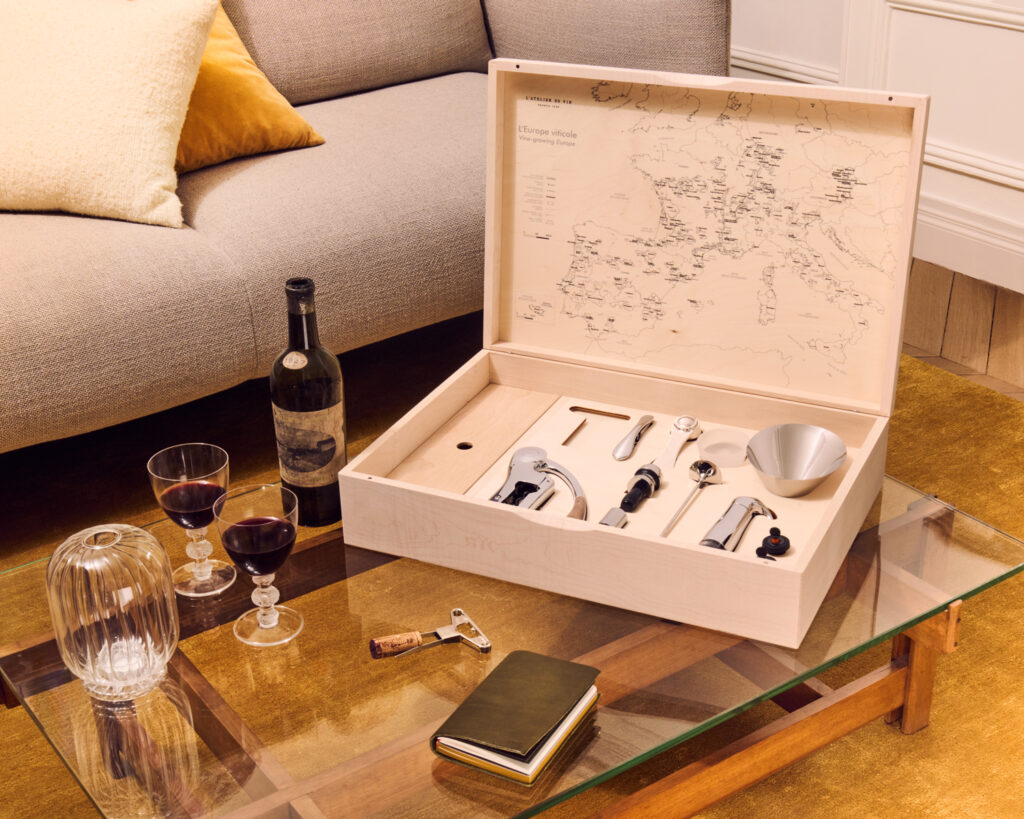
Knowing how to read a wine label helps you make informed choices based on your preferences and the occasion. It’s the identity card of the bottle. Key information like the vintage and estate name offer insight into the wine’s character. Legal mentions, alcohol content, and sulfite presence define the wine’s nature and style. Our tip: peel off and keep the labels from your favorite wines to remember them and find them again later. The world of wine is rich and complex — dive into the art of tasting with the elegant, innovative tools from L’Atelier du Vin, designed to elevate every moment of your oenological journey.