Back
Back 


The Art of Wine Tasting: A Sensory Journey to Refine Your Palate
Developing your wine palate is like learning a new language. Forget academic methods and strict codes! Here, intuition and emotion take precedence. Each aroma, texture, and flavor tells a story—one only your senses can interpret. Ready to awaken your taste sensitivity? Let’s explore the world of wine in a free-spirited, intuitive way.
Wine Tasting: A Personal Exploration
Tasting a wine means breaking free from conventions and surrendering to a sensory journey. It’s a suspended moment, an intimate encounter between the beverage and the soul, far beyond established codes.
The Act of Tasting: At the Heart of the Moment, Beyond the Codes
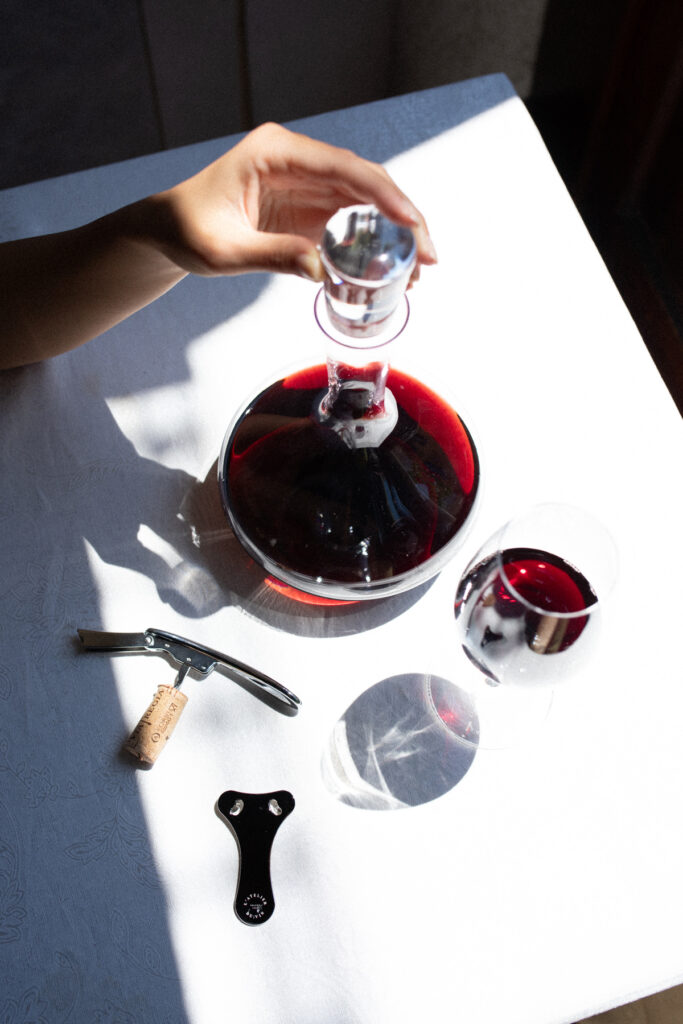
Tasting a wine is above all an invitation to dive into a sensory universe where each sip tells a story. Far from manuals and conventions, this act becomes a personal journey, a fluid ballet between the drink and the taster. Erase from your mind the idea of a technical performance! It’s about an intimate dialogue, where the mouth opens like a book of emotions, ready to welcome a whirlwind of sensations that defy categorization.
Aroma, texture, and color: these three dimensions become the protagonists of a living, organic experience. An emotion we grasp, sometimes without fully understanding, but which we accept as a moment of pure alchemy.
Cultivating Curiosity: Exploring the Unknown of Terroirs and Flavors
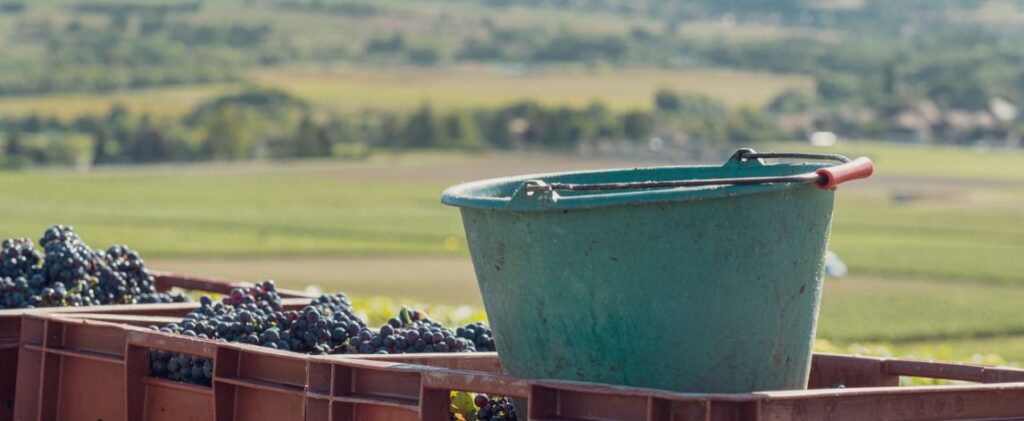
Such exploration isn’t limited to a simple tasting. It calls for curiosity, a push toward little-explored wine regions, places where wine hasn’t yet been bottled for the mass market. Dare to try forgotten grape varieties, those that whisper their secrets from under-celebrated lands. These “marginal” wines, through their strangeness, disrupt our reference points and force us to reconsider the concept of terroir and identity. A wine from Savoie, another from Île de Ré, or one from Piedmont… every unexpected encounter becomes a way to redefine our tasting habits.
Essential Tools for Beginners: The Allies of Discovery
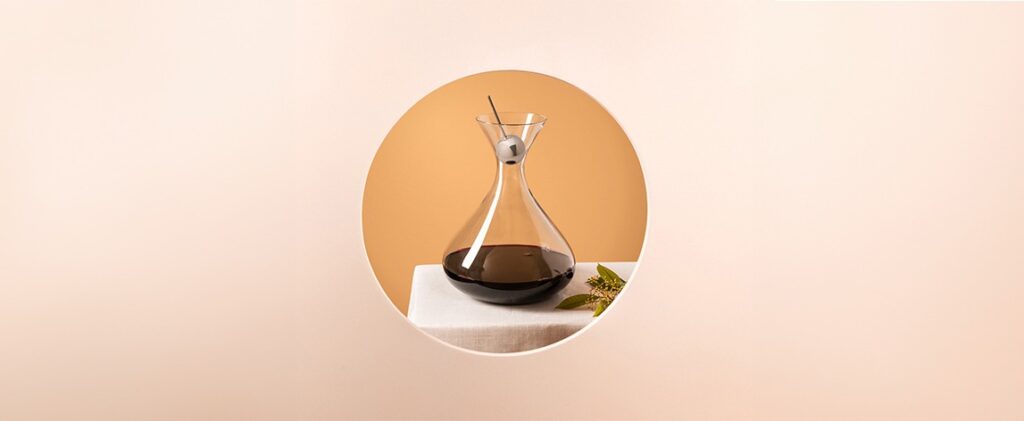
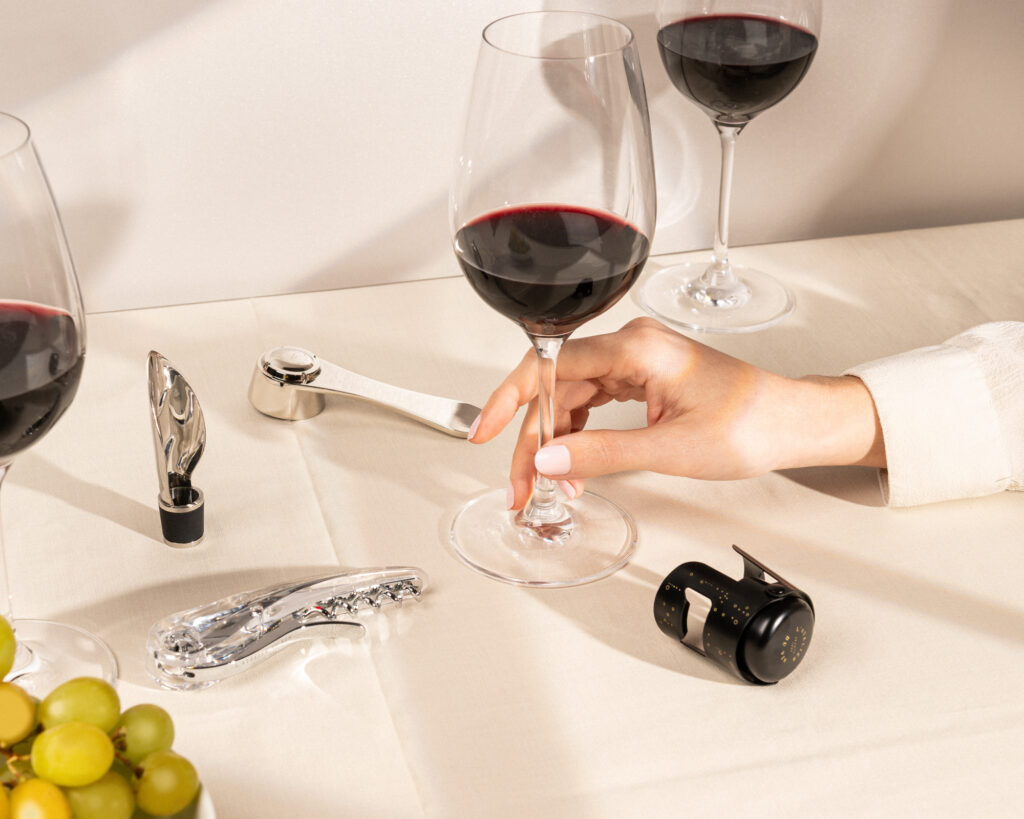
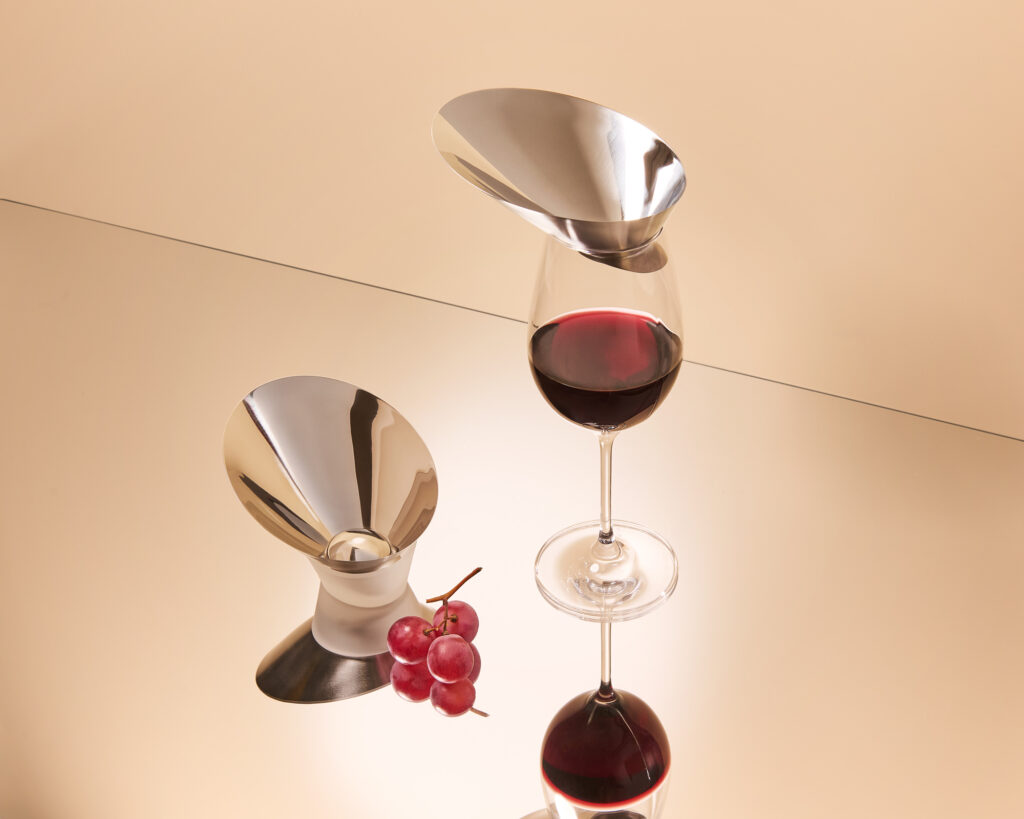
To accompany you on this sensory journey, count on a few discreet allies. Far from being scholarly instruments, tasting accessories are messengers of a new perception. The stemmed glass, for instance, is not just an object: it captures light, amplifies aroma, and guides the wine to the right taste buds. Decanting is no chore—it becomes a ritual, a staging before the act of communion. These tools are there to support, not constrain, so that each tasting becomes a living artwork.
Awakening the Senses: Practical Exercises and Inspiration
It is about rediscovering the extraordinary in the ordinary, transforming everyday flavors into subtle references that enrich our perception of wine.
A Journey Through Everyday Flavors
Awakening the senses begins by opening the doors of the ordinary to turn it into a playground. Tasting sometimes hides in the objects around us, in the flavors of daily life. A ripe apple, a handful of walnuts, or a bouquet of lavender can evoke sensations close to those from an unfamiliar terroir. Instead of relying solely on expert descriptions, we refine our perception by paying attention to familiar aromas. Little by little, we build a personal palette of scents and tastes that enrich our wine approach.
The Multisensory Approach: For an Even Richer Experience
Wine experience goes far beyond smell, extending into a subtle dance where all our senses join in. Visuals, for instance, are never just background: a wine with golden or ruby highlights already prepares the palate for a unique sensation, between lightness and complexity. Touch also plays its part. Stroking an old oak barrel and feeling the roughness of its wood echoes the woody aromas that permeate a wine aged in barrels. Every physical perception—from sight to touch—combines to enrich the experience, offering it infinite facets.
Tempted by Guided Experiences?
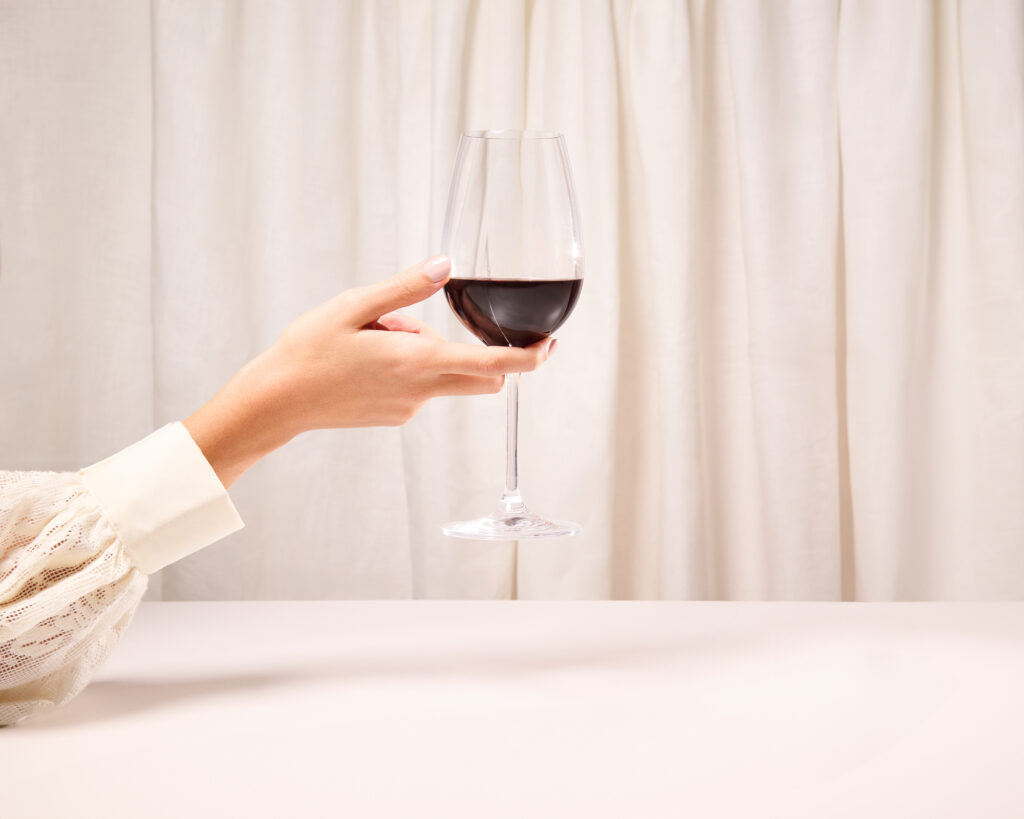
- Themed Tastings: A great idea for more intensity! Choosing wines based on their age, terroir, or winemaking techniques allows you to journey deep into the secrets of this divine beverage. While young wines burst with fruit and freshness, older vintages reveal maturity and complexity.
- Playful Methods: Organizing games around identifying aromas, whether with family or friends, adds a convivial and relaxed dimension to tasting. These little sensory challenges turn the experience into a joyful adventure.
The Subtleties of Pairing Aromas and Context
The environment, ambiance, and moment play an essential role in tasting, transforming each sip into a sensory experience shaped by light, sounds, and company.
What Influence Does the Setting Have?
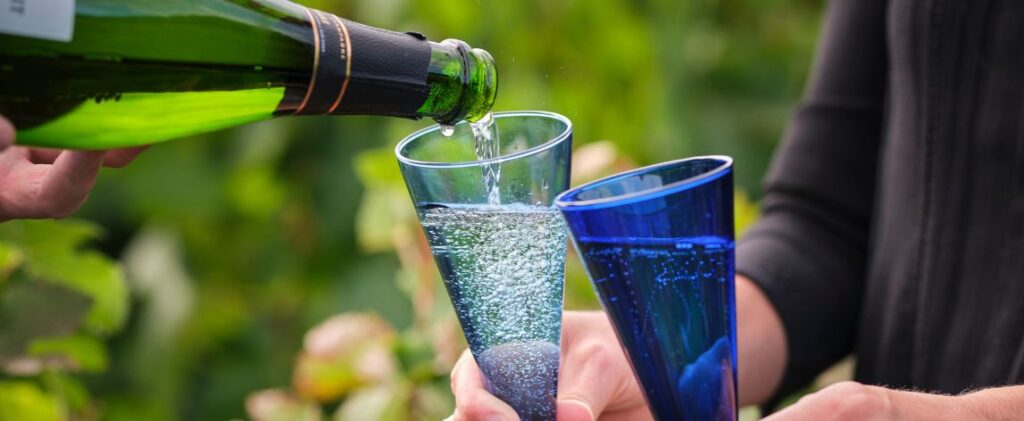
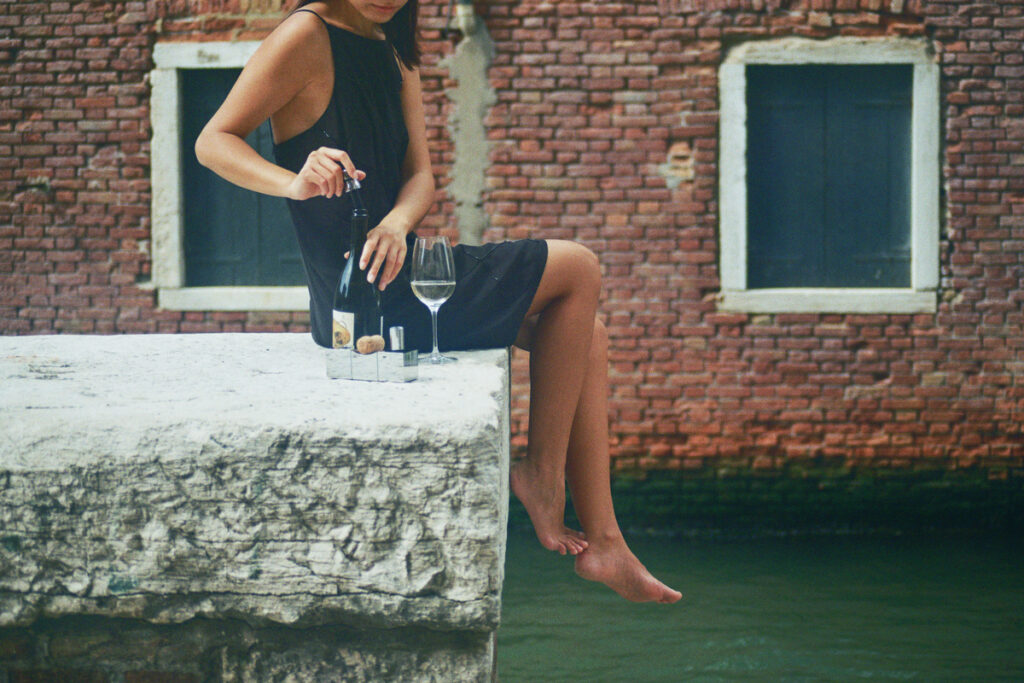
Environment, décor, company… these invisible elements turn each tasting into a vibrant sensory experience. Light—soft or bright—sculpts the wine’s robe, while sounds—a discreet melody or the whisper of waves—infuse each sip with subtle emotion. And then there are those with whom we share the journey. A passionate friend or a curious stranger—each voice, each look alters our wine perception, adding a human and warm dimension to the moment.
The Importance of Timing
The moment of tasting is just as important as the wine itself. Our senses, like delicate instruments, vary depending on the time of day and our state of mind. A wine enjoyed at sunset reveals richness and depth that seem to capture twilight’s essence. In the morning, after restful sleep, it becomes fresh, bright—almost aerial.
Rediscovering Classics
Why not reevaluate your favorite wines in different settings? Enjoying them in various contexts—a winter evening after a cold day or a summer dinner on a terrace—offers new perspectives and reveals hidden facets. It’s an exercise in openness, an invitation to constantly renew our perceptions.
Building a Unique Olfactory Memory
This process consists of associating each tasting with personal memories, where each aroma becomes a key to reliving meaningful moments, turning wine into a precious witness of our life story.
Smell as a Memory Catalyst
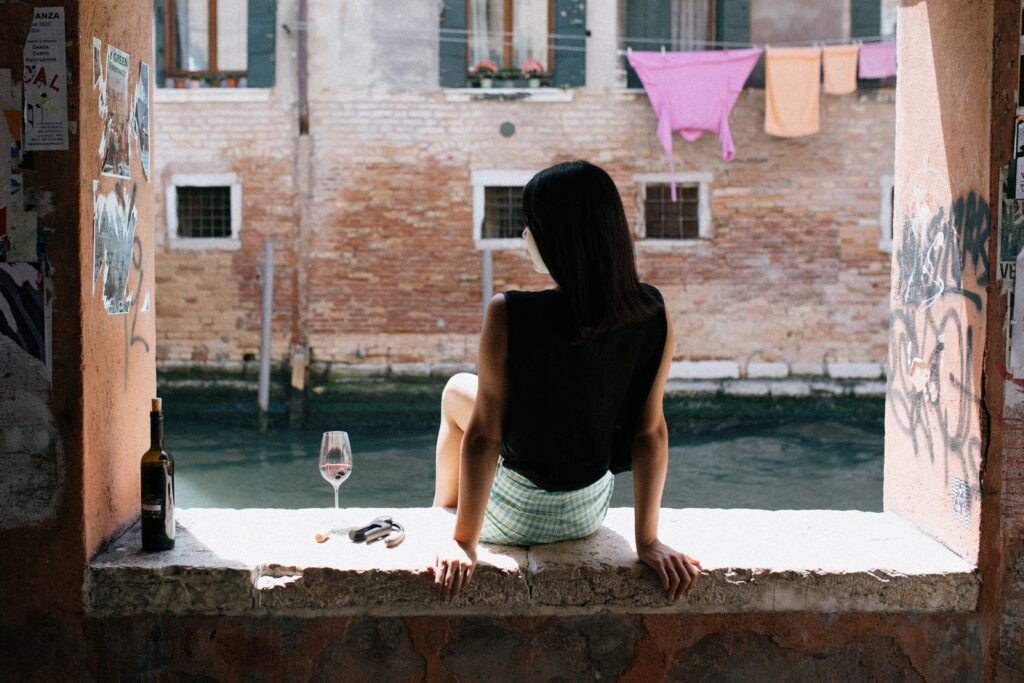
Each tasting becomes a personal imprint, an intimate link between wine aromas and memorable life events. Smell, as a memory catalyst, brings back buried memories—a meeting, a trip, a shared laugh. A wine tasted during a family dinner may, years later, revive the echo of an autumn afternoon, plunging us into subtle emotion. These invisible links weave a web around each sip, enriching our wine experience far beyond flavor alone.
Create a Personal Tasting Journal!
To track the development of your olfactory memory, a tasting journal becomes an essential companion. By noting your impressions and feelings, as well as the context of each tasting, you train your palate, define your preferences, and refine your knowledge. More than just a technical record, this tool becomes a true sensory diary, documenting the evolution of your tastes and discoveries over time.
Progress with Patience!
As with any learning process, the key is patience. On this journey, each sip—even imperfect—helps refine your taste buds. No pressure! Each tasting step enriches your personal experience.
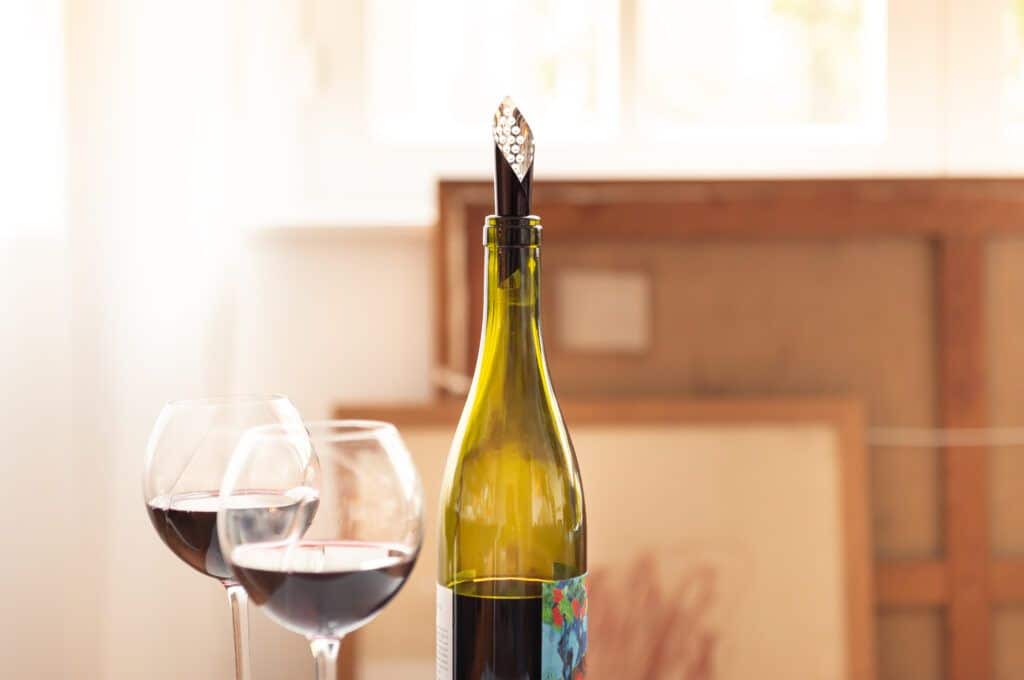
In Summary, tasting is not an art reserved for experts. It is, above all, an intuitive and personal experience, shaped by curiosity and a desire to discover. Each sip is an exploration, a unique path you trace at your own pace. To enrich this journey, let yourself be guided by the accessories from L’Atelier du Vin, created to enhance every tasting moment and offer your senses a unique voyage where every detail matters.
Copyrights. Editorial, visual and graphic elements strictly linked to copyrights. For all requests for partial or total use, please contact us.